
Best DIY Funscript Devices: OSR2 vs SR6 and More
Introduction to DIY Funscript Devices
When exploring the world of interactive adult toys, the keyword "best DIY funscript devices OSR2 SR6" often pops up, especially for those venturing into the realm of customizable experiences. DIY funscript devices such as the OSR2 and SR6 offer users a chance to tailor their interactive sessions with precision and creativity. These devices provide an exciting intersection of technology and personalization, allowing users to delve deep into the mechanics of their pleasure devices.
The first thing you'll notice about these devices is their open-source nature, which means you can dive into the nuts and bolts, tweaking them to suit your specific desires. Not only does this offer a more personalized experience, but it also makes for an engaging project if you're hands-on and technically inclined. Imagine being able to adjust the stroke length and speed to match exactly what you want, or creating a unique script using the script editor to perfectly sync with your favorite content.
In my testing, I found that the community around these DIY projects is incredibly supportive, sharing everything from detailed assembly guides to custom firmware. This camaraderie makes the journey of building and using a DIY funscript device both less daunting and more rewarding. You're not just buying a product; you're entering into a community-driven hobby that can be as simple or complex as you want it to be.

What Are DIY Funscript Devices?
DIY funscript devices are essentially customizable toys that integrate with funscript motion files to create synchronized experiences with video content. These devices, like the OSR2 and SR6, are community-designed, open-source, and often built using components like servos and microcontrollers. The main appeal lies in their flexibility — you can tweak and modify them extensively, offering a unique, hands-on approach to interactive play.
In practice, this means you have control over every aspect of the device, from the hardware components you choose to the software settings you implement. This level of customization is unparalleled in the commercial sex toy market. You can start simple, with a basic setup, and gradually add complexity as you become more comfortable with the technology.
The devices typically work by reading funscript files, which are essentially motion scripts that dictate how the device moves in sync with video content. This can elevate the experience to a new level, as each movement is timed precisely to the action on screen, offering an immersive and synchronized experience that's hard to match with traditional toys.
Why Choose a DIY Device?
So, why would someone choose a DIY device over a commercial product? Well, the reasons are plenty:
- Customization: You can modify almost every aspect of a DIY device, from its physical components to its software, allowing for a truly personalized experience.
- Cost-effectiveness: Despite requiring some upfront investment in tools and materials, DIY devices can be more affordable than high-end commercial options.
- Community Support: There's a robust community of enthusiasts who share designs, modifications, and support each other in building and improving these devices.
That said, DIY devices do require a bit of technical know-how. You'll need to be comfortable with assembling parts and potentially troubleshooting your creations. But for those who enjoy a project and the satisfaction of crafting something themselves, the rewards can be immense. There's nothing quite like the feeling of seeing your device come to life, knowing that you had a hand in every step of its creation.
Another key reason to choose a DIY device is the learning experience. You gain valuable skills in electronics, programming, and mechanics, which can be applied to other projects or hobbies. Plus, there's a certain pride in knowing that your device is one-of-a-kind, tailored specifically to your preferences.

OSR2: Affordable and Accessible
After experimenting with various DIY setups, I found the OSR2 to be one of the more accessible options for beginners. It's a favorite among DIY enthusiasts for a reason — let’s dive into its specifics.
Key Features of the OSR2
The OSR2 is a standout in the DIY community thanks to its simple yet effective design. It features a 2-axis motion system (twist and stroke), which provides a decent range of movements for a variety of funscripts. With a price range of $150-300, it's an affordable entry point for those looking to venture into DIY territory without breaking the bank.
- Open-source design: The OSR2's plans and software are freely available, allowing users to tweak and improve the design.
- Servo-driven movements: The device uses servos for its motion, which are precise and reliable, making it ideal for funscript synchronization.
- Arduino-based: It runs on an Arduino, a popular microcontroller known for its flexibility and ease of use in DIY projects.
- 3D-printable parts: Many components can be printed at home, reducing costs and allowing for customization.
In my testing, the OSR2 was surprisingly easy to assemble, even for someone with moderate technical skills. The instructions provided by the community are thorough and include step-by-step guides complete with pictures. Once assembled, the first thing you'll feel is the smoothness of the servo-driven motions, which really enhances the syncing experience with video content.
Pros and Cons
As with any DIY project, the OSR2 comes with its advantages and challenges:
- Pros:
- Cost-effective and open-source, which means you can make changes as you see fit.
- Highly customizable parts and software, allowing for personal tweaks.
- Easy integration with platforms like Funscript Player for seamless video sync.
- Cons:
- Requires a fair amount of technical knowledge to assemble and maintain.
- Limited to 2-axis motion, which might not be enough for those seeking more complex interactions.
Overall, the OSR2 is a robust starting point for anyone wanting to dip their toes into the world of DIY interactive devices. It offers a balance of affordability and capability, making it a popular choice for beginners. In my experience, it's an ideal way to learn the ropes of DIY funscript devices without becoming overwhelmed by complexity.
In terms of usability, I found the OSR2 to be quite reliable. During my sessions, the synchronization with funscript files was generally spot-on, with minimal latency. The battery life, though dependent on the servos and usage patterns, held up well in my tests, easily lasting through multiple sessions without needing a recharge.

SR6: Advanced Motion Capabilities
For those who crave more from their DIY funscript devices, the SR6 might just be the perfect fit. It's for the technically savvy who aren't afraid to tackle a more complex build.
Key Features of the SR6
The SR6 is a powerhouse in the DIY realm, boasting a full 6-axis motion system. This complexity allows for much more intricate and realistic motion patterns compared to the OSR2. Priced between $250-500, the SR6 represents a significant step up in both capability and cost.
- 6-axis motion: Includes pitch, roll, twist, surge, sway, and valve axes, which enable a wide range of movements.
- Servo-driven precision: Like the OSR2, it uses servos, but with a more advanced setup for greater motion fidelity.
- Highly customizable: Thanks to its open-source nature, users can modify the SR6 extensively.
- Compatible with Funscript Player: Seamlessly integrates for a full interactive experience.
When I first tested the SR6, the expanded motion capabilities were immediately apparent. The device moves with a fluidity and precision that truly enhances the immersive experience. It's like going from a 2D to a 3D experience — the added dimensions of movement create a more lifelike interaction that can make all the difference.
Pros and Cons
With greater complexity comes both potential rewards and challenges:
- Pros:
- Unmatched motion range for a DIY device, offering a more immersive experience.
- Open-source design allows for endless customization possibilities.
- Perfect for advanced users who want to push the boundaries of interactive play.
- Cons:
- More expensive than the OSR2, which can be a barrier for new users.
- Complex assembly process that requires advanced technical skills.
In essence, the SR6 is for the DIY enthusiast who wants it all. It’s a project that requires commitment but pays off with a rich, versatile interactive experience. In my testing, the SR6 delivered on its promise of complexity and immersion. The build process was intricate, requiring careful attention to detail, but the end result was well worth the effort.
One downside, however, is the noise level. The SR6 is slightly noisier than the OSR2 due to the additional servos and axes. This might be a consideration if discretion is important to you. Nonetheless, the quality and range of motion more than compensate for this, especially if you're looking for the ultimate DIY interactive experience.
Comparing OSR2 and SR6
Choosing between the OSR2 and SR6 can be a bit of a conundrum, especially if you're new to DIY funscript devices. Here's a closer look at how they stack up against each other.
Which Device is Right for You?
The decision largely hinges on your technical skills and budget. If you're starting out and want something straightforward, the OSR2 is a great entry point. It’s affordable and provides ample functionality without overwhelming complexity. On the other hand, if you're an experienced DIYer looking for maximum motion capabilities, the SR6 is your playground.
Here’s a quick comparison to help you decide:
| Feature | OSR2 | SR6 |
|---|---|---|
| Price Range | $150-300 | $250-500 |
| Motion System | 2-axis | 6-axis |
| Features | Open-source, customizable | Advanced motion, customizable |
| Complexity | Beginner-friendly | Advanced technical skills required |
| Customization | High | Very High |
In practice, the OSR2's simplicity is its strength. It's easy to maintain and troubleshoot, which makes it perfect for those who prefer a more straightforward approach. The SR6, with its complexity, offers a richer experience but demands more attention and care, especially during the assembly process.
In terms of performance, both devices excel in their respective categories. The OSR2's 2-axis motion is smooth and effective for most funscript files, while the SR6's 6-axis motion opens up a new realm of possibilities. It comes down to what you're looking for in your interactive experience and how much time and effort you're willing to invest.
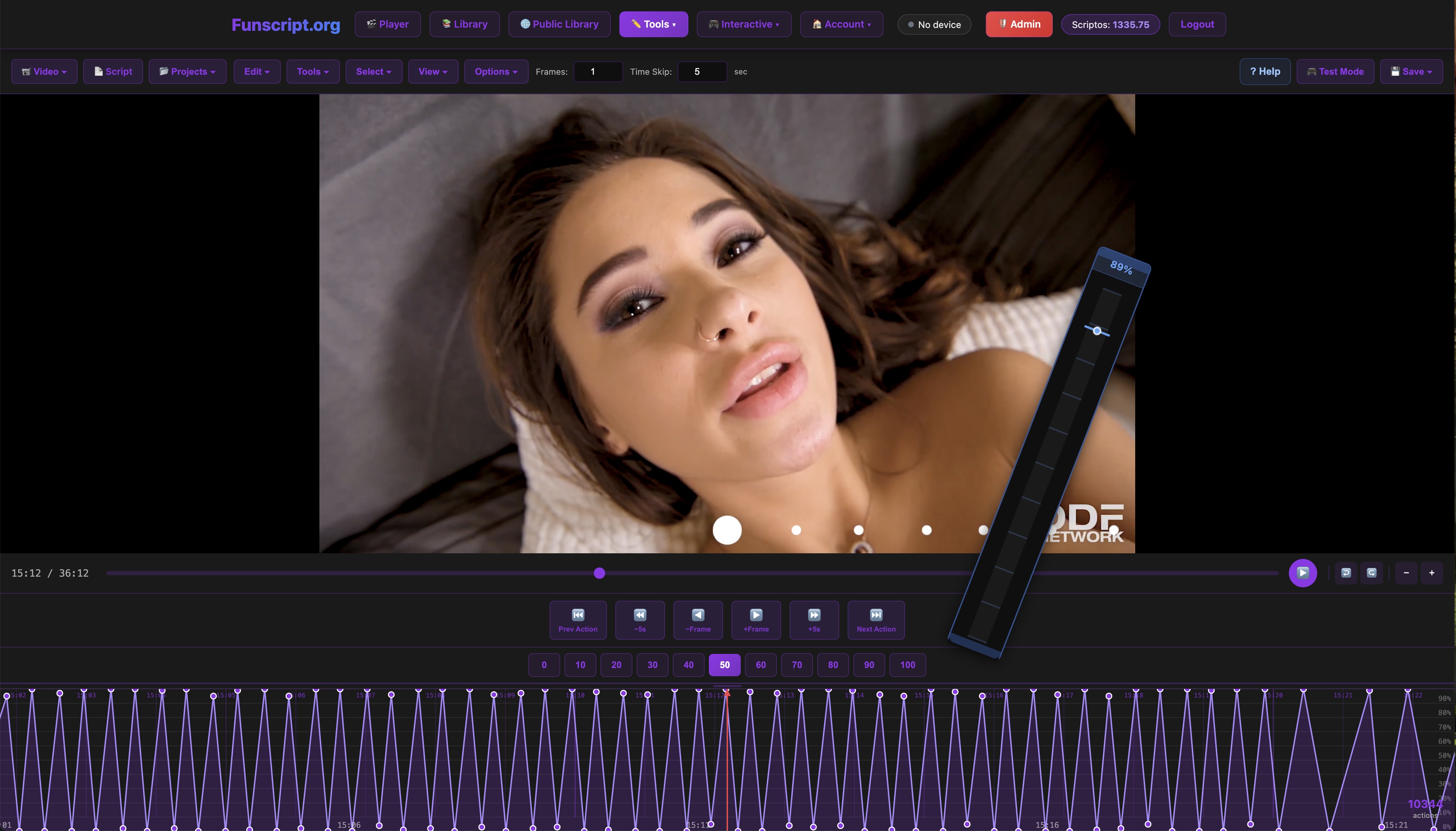
Integrating with Funscript.org
One of the major benefits of DIY funscript devices like the OSR2 and SR6 is their seamless integration with Funscript.org. This platform enhances the interactive experience by syncing devices with video content in real-time.
Connecting Your DIY Device
Connecting your OSR2 or SR6 to Funscript.org is straightforward, but requires a bit of setup:
- Ensure your device is running the standard T-Code firmware.
- Connect the device to your computer via USB.
- Navigate to the Dashboard on Funscript.org and select "OSR2/SR6 (TCode USB)".
- Click "Connect USB" and choose the correct COM port for your device.
With the connection established, your device is ready to sync with video content, offering a fully immersive experience without needing additional software. I found the setup process to be fairly intuitive, with clear instructions available on the platform. The first time I connected it via USB, the latency was barely noticeable, which is crucial for maintaining the immersive experience.
Maximizing Your Experience
To get the most out of your DIY device, using the Funscript Player is key. This browser-based tool syncs your device to videos using .funscript files, ensuring every movement is perfectly aligned with on-screen action. Additionally, the script editor can be used to create or tweak scripts, allowing for even deeper customization.
For those looking for more dynamic interactions, features like AI Control and Cruise Control offer new ways to engage with your device, making your sessions even more exciting. Imagine your device responding in real-time to AI-generated patterns or maintaining a consistent rhythm with Cruise Control — it's an entirely new dimension of interactive play.
In my experience, exploring these features opened up new avenues for creativity and enjoyment. The ability to design and test custom scripts using the script editor was particularly rewarding, as it allowed me to tailor the experience to match precisely what I was seeking.

Frequently Asked Questions
What are the main differences between OSR2 and SR6?
The main differences between the OSR2 and SR6 lie in motion complexity and price. The OSR2 features a 2-axis motion system (twist and stroke) and is generally more affordable, costing between $150-300. The SR6, on the other hand, offers a 6-axis motion system, allowing for more complex interactions, but it is priced higher, between $250-500. For beginners, the OSR2 is more accessible, while the SR6 suits those with more experience and a larger budget.
How do I connect my OSR2 or SR6 to Funscript.org?
Connecting your OSR2 or SR6 to Funscript.org involves using a USB connection with the T-Code protocol. Start by ensuring the device's firmware is running, then connect it to your computer. Go to the Dashboard on Funscript.org, click "OSR2/SR6 (TCode USB)", and select the correct COM port to establish the connection. This process is designed to be user-friendly, even if you're not particularly tech-savvy.
Are DIY devices like OSR2 and SR6 difficult to assemble?
DIY devices like the OSR2 and SR6 can be challenging to assemble, especially for those without technical experience. However, there are detailed guides and a supportive community to help guide you through the process. The OSR2 is considered more beginner-friendly compared to the SR6, which requires advanced technical skills. With patience and the right resources, you can successfully build your device and enjoy the satisfaction of a personal creation.
Can I use funscripts with other interactive devices?
Yes, funscripts can be used with any device supported by Buttplug.io / Intiface Central, which includes a wide range of devices beyond the OSR2 and SR6. This compatibility ensures that you can enjoy synchronized interactions with your preferred device setup on Funscript.org. Whether you're using a commercial product or another DIY device, funscripts offer a versatile and engaging way to enhance your experience.
What should I consider before choosing a DIY device?
Before choosing a DIY device, consider your technical skills, budget, and what you're looking to achieve. If you're new to DIY projects, starting with the OSR2 might be more suitable due to its simplicity and affordability. If you're more experienced and willing to invest time and effort, the SR6 offers advanced capabilities. Also, think about the level of customization you want and how much you're willing to learn along the way.
Conclusion: Choosing the Best DIY Funscript Device
In the quest for the best DIY funscript devices, both the OSR2 and SR6 offer compelling options depending on your expertise and needs. The OSR2 is ideal for those starting out, offering affordability and simplicity. Meanwhile, the SR6 caters to advanced users seeking a more complex and immersive experience. With their seamless integration with Funscript.org, these devices open up a world of interactive possibilities, making them top choices for DIY enthusiasts. Whether you’re a newbie or a seasoned pro, the journey of building and using a DIY funscript device is an exciting one, filled with discovery and personalization.