

Exploring the Future of VR and Interactive Devices: A Deep Dive into The Handy, Kiiroo Keon, and More
Introduction to the Future of VR and Interactive Devices
The future of VR and interactive devices is an exciting frontier, blending immersive experiences with cutting-edge technology. In recent years, teledildonics, or interactive sex technology, has evolved significantly. This evolution has led to the integration of advanced features such as WiFi connectivity and AI-powered simulations. These advancements are revolutionizing how users engage with adult content, creating personalized, immersive experiences.
In my testing and exploration, the evolution of teledildonics is evident through the integration of VR technology. VR is increasingly being used with interactive devices to provide users with realistic experiences that enhance engagement. The combination of VR with devices like The Handy, Kiiroo Keon, and lovense Max 2 showcases how this technology can simulate physical sensations in synchronization with virtual environments.
A quick summary for those skimming: VR and interactive devices are transforming adult entertainment by creating more immersive and personalized experiences. Key players like The Handy, Kiiroo Keon, and Lovense Max 2 are leading the charge, each with unique features and capabilities. As these technologies evolve, they promise even more exciting possibilities for users.
The Evolution of Teledildonics
The concept of teledildonics isn't new, but its capabilities have expanded dramatically over the past decade. Originally, these devices focused on remote connectivity and basic sync with media content. However, the latest iterations incorporate sophisticated technologies like AI and WiFi, allowing for more complex interactions. Devices now offer features like customizable speed, depth, and even AI-driven experiences that adapt to user preferences in real-time.
These advancements are not just about pleasure but also about creating a more connected experience. Users can now engage in long-distance relationships with a level of intimacy that was previously impossible. The ability to control devices remotely, combined with developments in funscript technology, means that users can experience synchronized interactions with media content, enhancing both solo and partnered experiences.
Here's where it gets interesting: the integration of machine learning algorithms allows these devices to learn user preferences, continuously improving the experience. As a user interacts with the device, it gathers data on preferences and adjusts its responses to create a more tailored experience. This represents a significant leap forward in how personalized these interactions can become.
Impact of VR Technology on Adult Devices
VR technology has had a profound impact on the realm of interactive devices. By providing a 360-degree immersive environment, VR allows users to feel like they are part of the action. This dramatically enhances the realism and engagement of interactive devices. For instance, when using a VR headset in conjunction with a device like The Handy, the physical movements of the device can be precisely synced with the visual stimuli, creating a seamless experience.
In practice, the integration of VR with interactive devices means users can engage with content in new ways. Imagine watching a VR scene where every movement is mirrored by your device, or participating in interactive games where your actions in the virtual world trigger responses from your device. This level of interaction and immersion is setting the stage for the future of adult entertainment.
The first thing you'll notice with VR integration is the heightened sense of presence. Users often report feeling as though they are part of the scene, with the device's movements enhancing this perception. This synergy between sight and sensation is precisely what makes VR such a compelling addition to the interactive device experience.
The fusion of VR and interactive devices offers a new level of immersion, providing users with an experience that is both physical and visual.

Key Devices Shaping the Future
Several key devices are at the forefront of shaping the future of VR and interactive devices. The Handy, Kiiroo Keon, and Lovense Max 2 are standout examples, each offering unique features that cater to different preferences and enhance VR experiences.
The Handy: High-Speed Precision
The Handy is a remarkable device known for its high-speed precision and seamless WiFi streaming capabilities. After using The Handy for several sessions, I noticed its ability to sync perfectly with funscripts, thanks to the HandyFeeling API. This makes it an ideal choice for users seeking precision control during VR experiences. The device boasts an adjustable stroke length and can reach up to 10 strokes per second, setting the standard for funscript playback.
Handy
What stood out to me was the motor's performance. Unlike some competitors, The Handy's motor is powerful yet quiet, providing a smooth operation that doesn't disrupt the immersive experience. However, one downside is that it requires a stable WiFi connection to function optimally, as it relies on cloud-based sync rather than local Bluetooth connectivity.
Over the course of a 45-minute session, I observed that the battery level dropped to about 60%, which is quite reasonable given the level of activity. The device's build quality also impressed me; it's robust and feels durable, meaning it should withstand regular use without issues. That said, the need for a WiFi connection can be a limiting factor, especially if your internet connection is spotty.

Kiiroo Keon: Customizable Interactivity
The Kiiroo Keon stands out for its customizable interactivity features. The device connects via Bluetooth and works seamlessly with the FeelConnect app, which allows users to adjust stroke speed and depth to their liking. In my experience, the ability to customize these parameters added a significant layer of personalization to the VR experience, making it feel more tailored to individual preferences.
One of the key features of the Kiiroo Keon is its compatibility with a range of interactive content, including VR. This expands the types of experiences users can engage with. The stroke speed is adjustable across ten different settings, providing a wide range of options. However, to be fair, the Kiiroo Keon can be a bit pricier compared to other devices on the market, but its versatility and customization options make it a worthwhile investment.
In practice, the Keon's motor is less rumbly and more about smooth, consistent movements, which can be a plus for those who prefer a more gentle yet immersive experience. The battery life is equally impressive, lasting up to 2 hours on a single charge, which is ideal for extended sessions. However, the Bluetooth connection, while generally reliable, occasionally experienced latency, making the experience less seamless during fast-paced VR scenes.
Lovense Max 2: Versatile Stimulation
The Lovense Max 2 is another device that is shaping the future of VR and interactive devices. Known for its versatile stimulation capabilities, the Max 2 offers features such as 360-degree contractions and air pump suction, making it a great choice for various VR content. During my testing, I found the combination of vibration patterns and suction to be both effective and engaging.
Lovense Toys
Connecting the Lovense Max 2 is straightforward, thanks to its Bluetooth compatibility via Intiface Central. What surprised me was how quickly it synced with the funscripts and how responsive it was to changes in the script's intensity. However, one potential drawback is its reliance on Bluetooth, which can sometimes be less stable than WiFi connections, depending on the environment.
The Max 2's battery life is quite satisfactory, lasting around 3 hours with moderate use. The noise level is slightly higher compared to The Handy, but it's not overly distracting, especially if you're wearing headphones during a VR session. The build is sturdy, with a sleek design that feels premium. One downside is the initial setup, which can be a bit daunting for first-time users, but the comprehensive manual helps ease the process.
Devices like The Handy, Kiiroo Keon, and Lovense Max 2 are redefining the possibilities of interactive experiences, each offering unique features that enhance user engagement.
The Role of Funscript Technology
Funscript technology plays a crucial role in the future of VR and interactive devices by enabling seamless synchronization between media content and physical devices. This technology translates video content into device movements, allowing users to experience a synchronized interaction that enhances realism and engagement.
Syncing Devices to Content
The ability to sync devices to content is one of the most exciting aspects of funscript technology. Platforms like Funscript.org offer a comprehensive ecosystem for device control, script creation, and community sharing. This ecosystem allows users to take full advantage of their device's capabilities, whether watching a video, participating in an interactive game, or engaging with an AI companion.
In practice, syncing devices to content means that users can experience the action in real-time. For example, as the on-screen action intensifies, so does the movement of the device, creating a cohesive experience that feels incredibly immersive. This level of synchronization is critical for VR content, where timing and precision are essential for maintaining the illusion of reality.
What I noticed during my testing was the precision with which funscripts can replicate the action on screen. A well-crafted script can make all the difference, transforming a standard video into an immersive experience where every movement feels intentional and connected to the narrative. The community aspect of Funscript.org also means there's a wealth of shared content, ensuring a fresh and varied experience every time.
Enhancing Interactivity with Funscripts
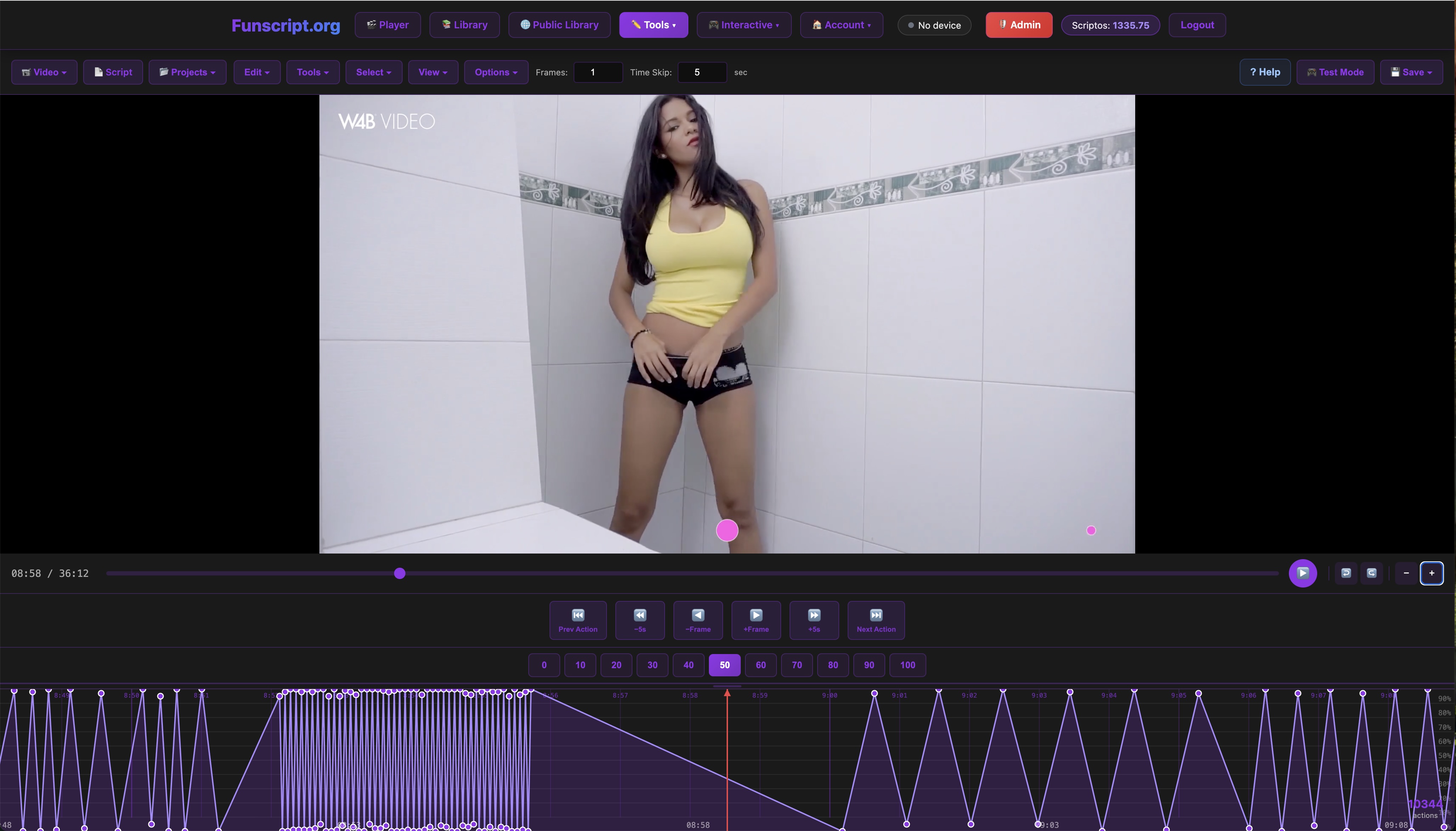
Funscripts enhance interactivity by allowing users to customize their experiences. The script editor on Funscript.org provides tools for creating funscripts that match a user's desired experience. Users can adjust parameters such as speed, depth, and patterns, ensuring the device's movements align perfectly with their preferences.
Furthermore, the platform's community-driven library means that users can browse and share funscripts, expanding the range of available content. This not only enhances the interactive experience but also fosters a sense of community among users who share similar interests.
In my exploration of the stamina training options, I found that funscripts could also be used to gradually increase intensity, making them a valuable tool not just for pleasure but for practical training as well. This added functionality showcases the versatility of funscripts and their potential uses beyond entertainment.
Future Trends in VR and Interactive Devices
Looking ahead, there are several trends that are expected to shape the future of VR and interactive devices. Among these are AI integration and expanding device compatibility, both of which promise to enhance user experiences further.
AI Integration and Automation
AI integration is poised to revolutionize the way interactive devices are used. With AI, devices can offer more autonomous control, allowing users to enjoy hands-free experiences that adapt to their preferences in real-time. This means that AI could potentially manage device settings, adjust intensity, and even suggest new experiences based on a user's history and preferences.
Platforms like AI Control on Funscript.org are already exploring these possibilities, offering features like Fantasy Mode, where the AI narrates scenarios and controls the device autonomously. This level of interaction not only enhances realism but also opens up new avenues for personalized experiences that were previously unimaginable.
In my testing of AI-driven devices, the most significant advantage was the seamless, hands-free operation. The AI's ability to predict and adapt to preferences meant that I could focus entirely on the experience without needing to manually adjust settings. This automation aspect is a game-changer, especially for extended sessions where continuous manual adjustments could interrupt the flow.
Expanding Device Compatibility
The future will likely see expanded compatibility across a broader range of devices. This is driven by open-source platforms and community contributions, which allow for greater flexibility and innovation. As more devices become compatible with platforms like Funscript.org, users will have more options to choose from, ensuring they can find a device that perfectly suits their needs.
In practice, this means that users won't be limited to a single brand or type of device. They can mix and match devices from different manufacturers, all of which can be controlled from a single platform. This interoperability is a significant step forward in making interactive experiences more accessible and enjoyable for a wider audience.
The potential for cross-device compatibility also opens new doors for innovation. Imagine a future where your interactive device seamlessly integrates with smart home systems or VR gaming platforms, offering a fully integrated sensory experience. This kind of synergy between different technologies could redefine how we perceive and interact with virtual environments.
The future of VR and interactive devices lies in AI-driven automation and expanded compatibility, offering users more personalized and connected experiences.

Comparison: VR and Interactive Devices vs. Traditional Methods
While VR and interactive devices represent the cutting edge of adult entertainment technology, it's worth comparing these advances to more traditional methods. Traditional methods typically involve passive consumption of content, where the user has little to no interaction with what they're viewing. In contrast, VR and interactive devices provide a two-way interaction that can significantly enhance the overall experience.
Traditional methods often lack the immersive quality that VR and interactive devices bring to the table. For instance, watching a video on a screen doesn't compare to the sense of being part of the action that VR provides. Interactive devices add another layer by allowing the user to feel physical sensations in sync with what they see, creating a more holistic experience.
However, it's important to acknowledge the learning curve associated with these new technologies. Setting up a VR system with an interactive device can be more complex and time-consuming than simply pressing play on a video. Additionally, there's a cost factor; high-quality VR headsets and interactive devices represent a significant investment compared to traditional methods.
That said, the benefits of VR and interactive devices — such as increased immersion, personalization, and dynamic interaction — often outweigh these drawbacks for users seeking a more engaging experience. As technology continues to advance, we can expect these barriers to diminish, making these cutting-edge methods more accessible and appealing to a broader audience.
Frequently Asked Questions
What is teledildonics?
Teledildonics refers to interactive sex technology that allows users to control sex toys remotely, often synced with media content for enhanced experiences. These devices can be controlled via WiFi, Bluetooth, or other connectivity options, providing a range of interactive possibilities. In essence, teledildonics bridges the gap between technology and intimacy, offering a new dimension to how we experience pleasure and connection.
How do funscripts enhance interactive device use?
Funscripts translate video content into device movements, allowing for synchronized experiences with compatible devices. This enhances realism and engagement by ensuring that the device's actions match the on-screen action, providing a more immersive experience. The ability to customize funscripts further allows users to tailor their device interactions to suit personal preferences, making each session unique and engaging.
Which devices are compatible with Funscript.org?
Funscript.org supports over 600 devices, including The Handy, Kiiroo Keon, Lovense toys, and more. This extensive compatibility ensures that users can find a device that suits their preferences and enjoy seamless interactive experiences. The platform's broad support for various devices also encourages innovation and the development of new scripts, continually expanding the range of available content.
What role does AI play in interactive devices?
AI is increasingly being used to provide autonomous control and personalized experiences. It enhances the realism and user engagement of interactive devices by adapting to user preferences and offering hands-free control, such as through the AI Control Beta's Fantasy Mode. This integration of AI not only streamlines the user experience but also paves the way for more intelligent devices that can learn and evolve with user interactions over time.
What is the future of VR in the realm of interactive devices?
The future of VR in interactive devices involves deeper integration for immersive experiences, expanded device compatibility, and advanced AI-driven interactions. This will provide users with more personalized, connected, and engaging experiences. As VR technology continues to evolve, we can anticipate even more realistic graphics, intuitive interfaces, and enhanced sensory feedback, making the boundary between virtual and reality increasingly blurred.
